Welcome back to WILD Wednesdays!
We have talked about a few different invasive species of plants that we are finding and removing from Mariners’ Park, and I think it is important to talk about how these plants are getting here. In past blogs we talked about how the wildlife in our area transfer seeds and other plant material throughout the forest, helping the spread of invasive species. And how the underground root systems spread out of sight with new plants popping up along their growth path, creating webs of roots below the surface. It makes sense that these plants are spreading while left unattended or uneaten, but how did they get into the forest in the first place?
Some species like Japanese honeysuckle (Lonicera japonica) and Periwinkle (Vinca major and Vinca minor) are sold every spring in nurseries all over Hampton Roads as easy and quick-growing, vibrant additions to the landscape. The scent of summer is almost synonymous with honeysuckle as the vines are notorious for escaping gardens via seed dispersal and underground root systems. Vinca flies off the shelves to add to beds and containers for an evergreen groundcover and a pop of purple in the spring. While these invasive plants are still on the market, native alternatives are not as hard to find as you may think.
Native Alternatives to Invasive Honeysuckle and Periwinkle
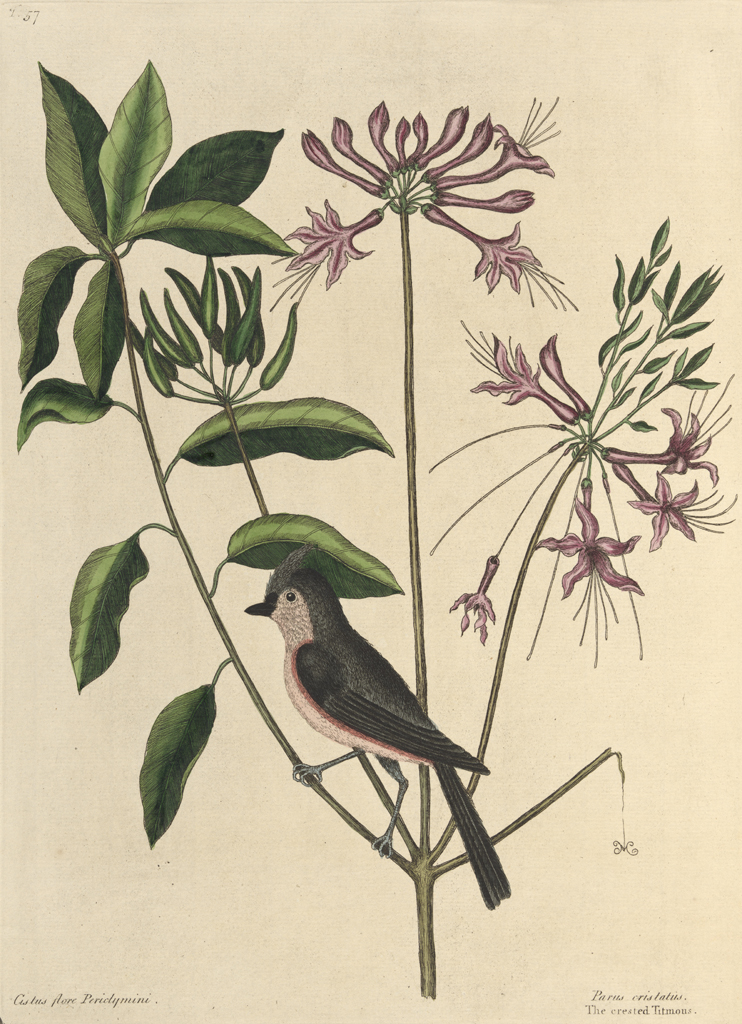
Coral honeysuckle (Lonicera sempervirens) is a native species of honeysuckle with a much more manageable growth habit. Instead of spreading via underground runners or wind dispersal of their seeds, coral honeysuckle spreads by tiny seeds inside bright red berries present in late summer to early fall or by above ground stems that establish roots when touching the soil. Mammals and birds eat the berries or seeds and excreting the seeds throughout the landscape. They grow in clumps and then vine upward or outward, but don’t create the underground webbing of roots like its invasive counterparts, instead forming fibrous root systems in clumps. In mild winters it remains an evergreen, but overall is considered semi-evergreen as it can lose all or some of its leaves in colder winters. The flowers are bright and vigorous in the spring as the vines grow on a trellis, along a fence, or even on an arbor; they not only catch our eye, but also attract pollinators (like hummingbirds!) to feed on the nectar. Because the bright flowers and sweet nectar are all coral honeysuckle needs to attract pollinators, this species does not have the same powerful fragrance as Japanese honeysuckle.
Have no fear, there is a native alternative to bring that heavy fragrance into your garden if you wish. Native clematis (Clematis virginiana) brings that sweet aromatic smell to the summer season. Native clematis climbs itself rather than sending out tendrils like a lot of vines. The twisting leaf stalks create support as it loosely wraps around a supporting plant or trellis. It is a fast-growing vine that needs to be pruned and maintained to keep a tidy appearance, but wildlife like insects and herbivores feed on the stems and leaves to help keep it at bay until the vine goes dormant in the winter.
What We Plant Matters
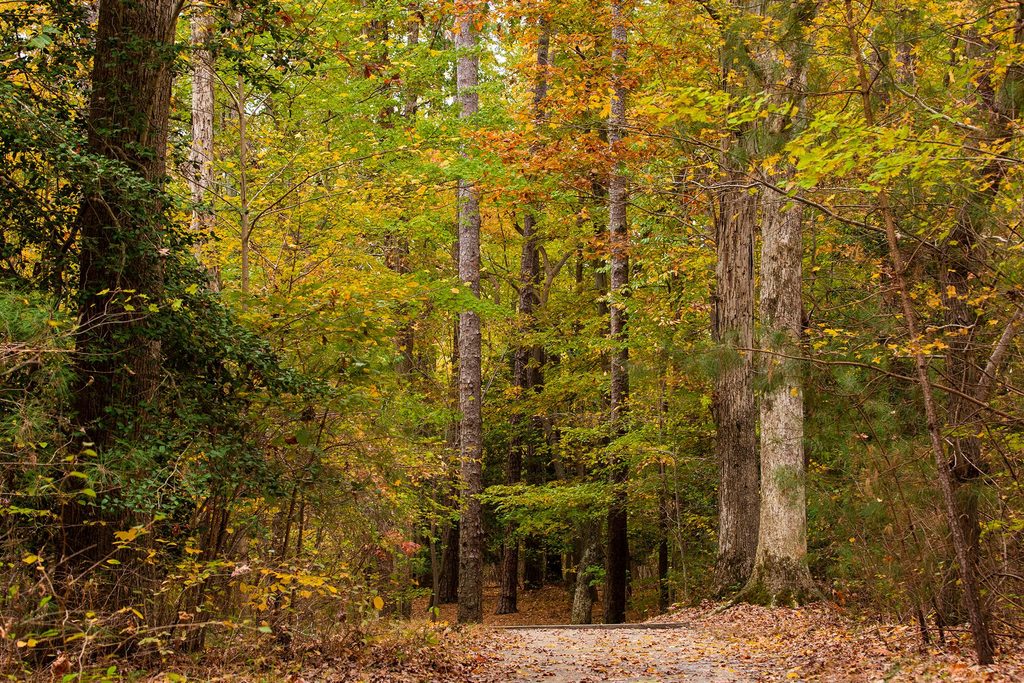
Planting natives in your own landscape not only helps the wildlife in your immediate area, but as birds and mammals transport seeds throughout the city, you in turn help the city ecology, as well as Mariners’ Park. Many think of the forest as just the canopy of trees, but the understory is our biggest focus right now. Helping the forest literally starts at the roots and the edges. If an invasive species of plant escapes the manicured landscape of a home garden and takes root at the edge of the forest, an invasion can occur within a season. Periwinkle and Japanese honeysuckle are vigorous as they broadcast their seeds and roots as soon as they get a chance to grow. The network of roots spread, taking away nutrition and soil space for the native plants of the understory.
Though the forest canopy houses birds, mammals, and many species of insects, the forest floor serves as the dining hall, home, and social gathering place for countless organisms. Native wildflowers, grasses, shrubs, and young trees provide food and shelter for insects and wildlife that depend on these plants throughout their life cycles. When invasive plants take over that space, they do more than simply make the forest look different. They begin to change what resources are available to the wildlife that calls the forest home.
This is why what we plant in our own yards matters. A garden does not exist in isolation from the surrounding environment. Seeds can travel, berries can be eaten and carried by birds, and plant material can move through natural areas in ways we may never notice. Even a plant that seems perfectly contained in a garden can become a problem when it finds its way into a nearby natural area.
Everything Helps
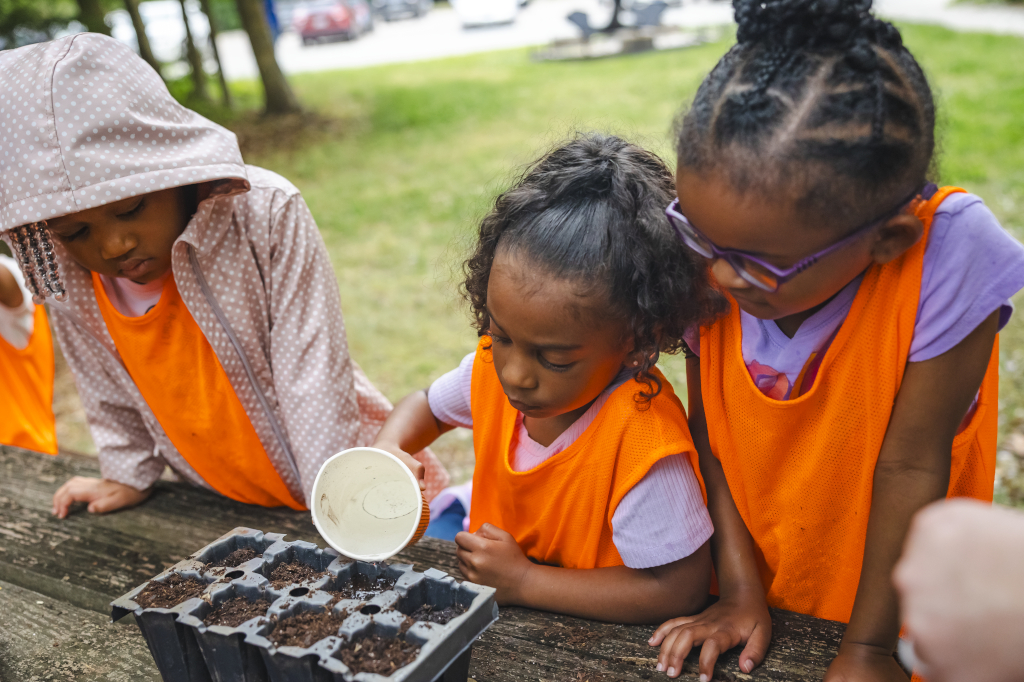
Choosing native plants is one small way we can help prevent that cycle. Coral honeysuckle and native clematis can provide beautiful vertical interest, flowers, and wildlife value without introducing another aggressive invasive species into the landscape. There are also countless native options for groundcovers, shrubs, perennials, and grasses that can fill the same roles as invasive plants while supporting the ecosystems around us.
The next time you visit a garden center and see a fast growing vine or groundcover that promises to fill a space quickly, take a moment to ask where that plant might end up if it escapes the garden. Fast growth may sound appealing, but in a forest, fast growth can come at a cost.
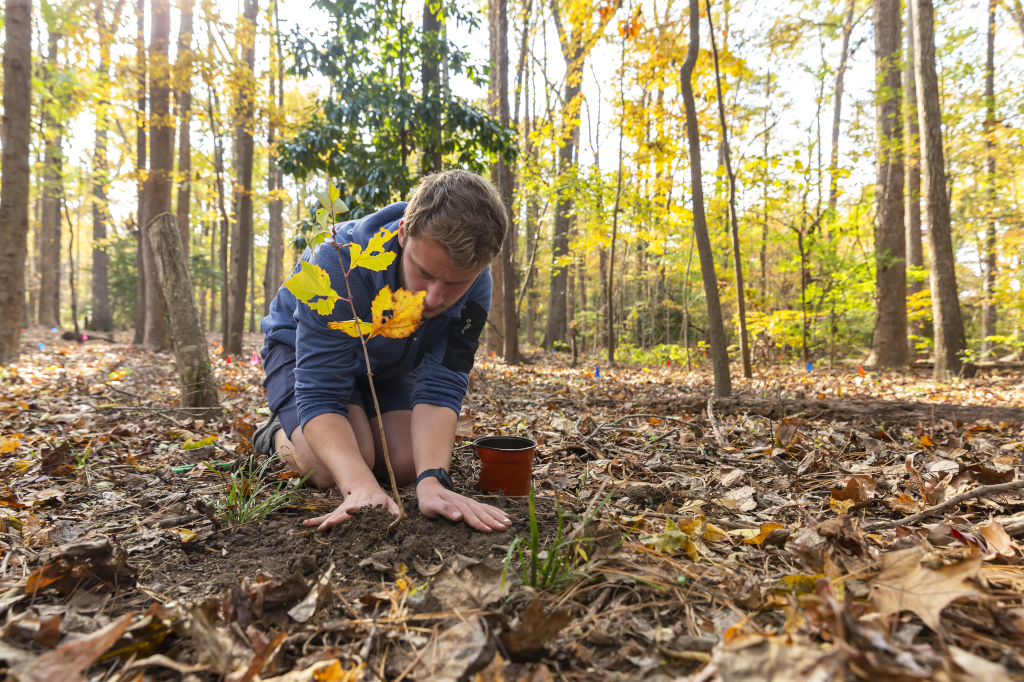
At Mariners’ Park, we are seeing firsthand what happens when invasive plants gain a foothold. Removing them is important, but prevention is just as valuable. By choosing plants thoughtfully at home, we can help protect the forests in our own backyards and the wildlife that depends on them.
So, this WILD Wednesday, remember: helping the forest literally starts at the roots and the edges. What we plant today can shape the forest of tomorrow.
References
- Lady Bird Johnson Wildflower Center – the University of Texas at Austin. (n.d.-a). www.wildflower.org. Retrieved September 1, 2026, from https://www.wildflower.org/plants/result.php?id_plant=clvi5
- Lady Bird Johnson Wildflower Center – the University of Texas at Austin. (n.d.-b). www.wildflower.org. Retrieved September 1, 2026, from https://www.wildflower.org/plants/result.php?id_plant=lose