My Cart

The Mariners' Blog

Page: 14

  • The Remarkable Mrs. Captain McGuire

    • Collections
    • Cultural Heritage
    • Women's History

    In early 2019, an East Carolina University student, Jacquelyn Hewett, studied one of the figureheads in our Collection for her American Maritime Material Culture history class. The information she uncovered was enlightening and indicated that a change in the attribution of ship name was in order. While confirming her research, I uncovered the story of a wonderfully awesome woman I thought I would share with you!

  • Zouaves on the Virginia Peninsula

    • Civil War
    • Cultural Heritage
    • Military
    • Military Conflict

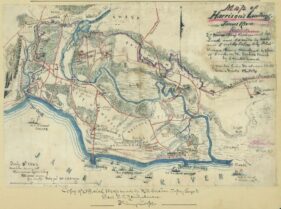
    Just as the smoke cleared from the scene of the first Confederate victory at Big Bethel, onto the battlefield rapidly marched what would become one of the most colorful, daring, and poorly disciplined units of the Army of the Peninsula: Coppens’ Battalion.

  • Beyond the Frame: Connection

    • Art
    • Collections
    • Recreation

    In looking at this work, the concept of connection comes to mind over and over. I thought about what connection means to me and my mind immediately went to technology – WiFi, cell service, texts, and email.

  • Lancaster Eagle Scavenger Hunt

    • Collections
    • Photography

    This is where our colossal eagle figurehead was sitting in 1933 when buyers for the Museum found it. Wouldn’t it be fun to walk through this store? Think of all the treasures you might find.

  • HRPE during WWII: Innovators in Aviation

    • Military
    • Military Conflict
    • Photography
    • Technology
    • Women's History

    WAVES fulfilled various positions and worked at Naval bases across the US, ranging from yeoman to chauffeur, baker to pharmacist, and artist to aircraft mechanic. Most WAVES worked in naval aviation units–maintaining aircraft, testing parachutes, and working as domestic air traffic controllers or weather specialists.

  • The Siege of Fort Pulaski

    • Civil War
    • Military
    • Military Conflict

    The capture of Fort Pulaski on the mouth of the Savannah River had many significant implications. When the fort surrendered on April 11, 1862, it closed the port of Savannah. Accordingly, cotton exports had to be transported to Charleston or Wilmington to reach European markets

  • On the Same Team: LGBTQ+ in the Navy

    • Cultural Heritage
    • Military
    • Women's History

    While the military at this time was officially against allowing LGBTQ+ identifying people into the military, they also were desperate for more service members. So in some ways, there was a similar mentality to the “don’t ask, don’t tell” policy of the 1990s and 2000s.

  • Yacht America Builder’s Model Donated to Mariners’

    • Collections
    • Technology

    In 1850, in an effort to demonstrate American advances in shipbuilding to the world, a group of New York yachtsmen formed a plan to send a yacht to England to race against British boats. The task of designing the boat was given to George Steers, one of New York’s leading naval architects and the designer of the port’s fastest pilot boats.

Scroll to Top