Our talented team of Museum educators is committed to providing an engaging experience that brings SOL-related content to life for your students. We bring passion and energy to each program to ensure the highest level of impact and retention. To learn more about this program, click on one of the format options listed below.
Choose your experience:
Duration: 1 hour
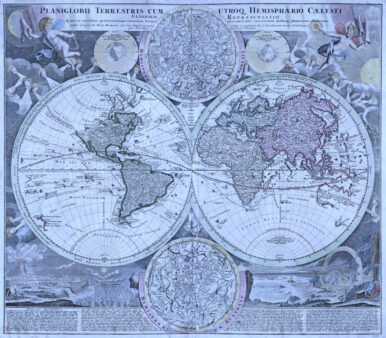
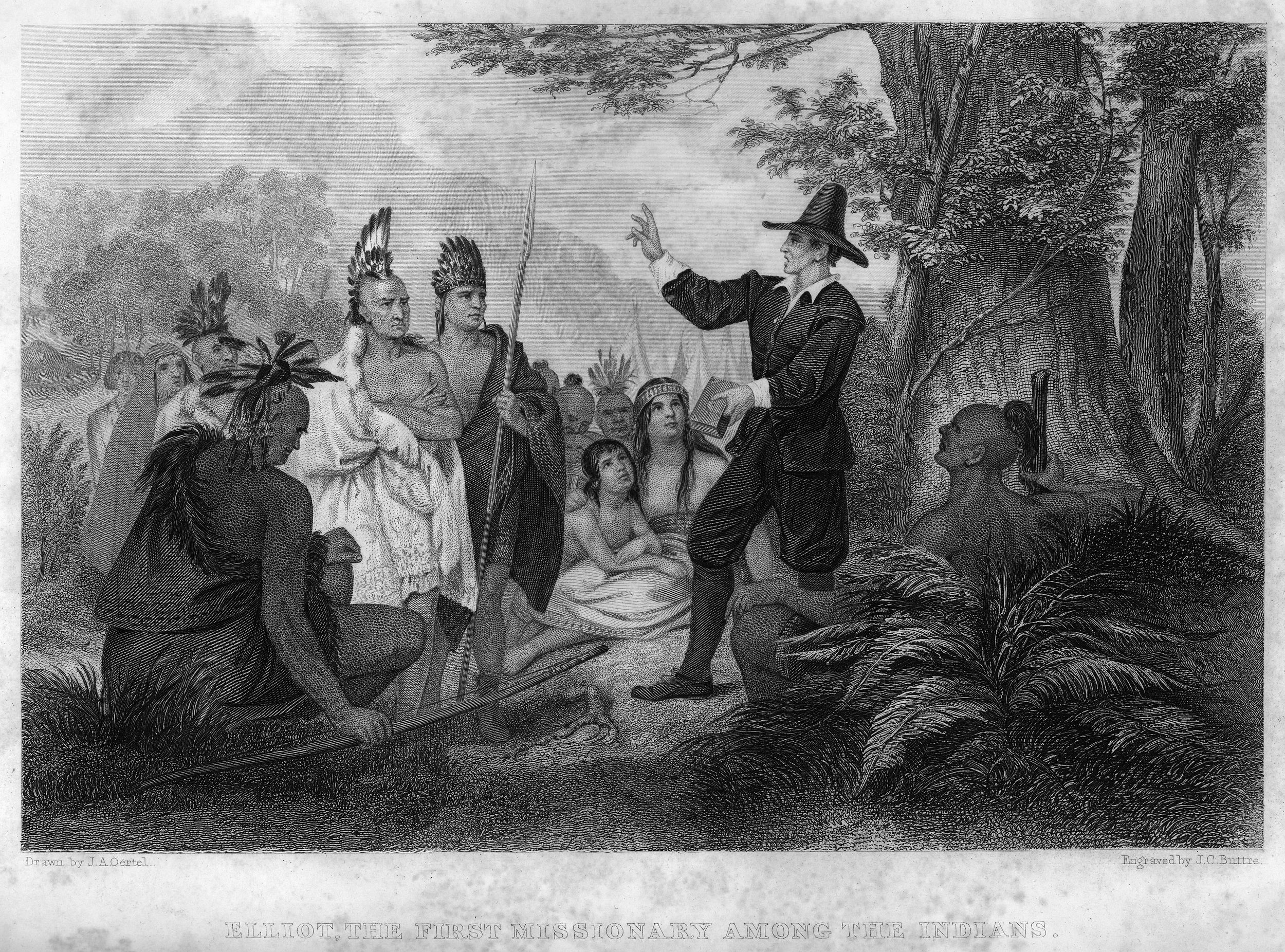
What pushed Europeans to cross the Atlantic, and what happened when they arrived? Students will step into the role of historians as they investigate the motivations and obstacles behind European exploration and colonization, examine interactions among Indigenous peoples and European colonists, and explore the regional factors that shaped the thirteen colonies.
Exploring Motivations and Obstacles
Students will practice inquiry-based learning through a primary source activity focused on the motivations and obstacles of exploration and the interactions between people from Europe and the Americas.
Shaping the Thirteen Colonies
In a second primary source activity, students will investigate the various factors that helped shape the thirteen colonies.
Thinking Like Historians
Through primary source analysis, students will use inquiry-based learning to consider the many factors that contributed to European exploration and colonization.
By weighing evidence and asking questions like historians, students will sharpen historical inquiry and reasoning while building stronger connections to classroom study of early America.
Teachers will have the choice of a docent-led tour or a self-guided, themed scavenger hunt through the galleries to complete the experience.
Duration: 1 hour
What pushed Europeans to cross the Atlantic, and what happened when they arrived? Students will step into the role of historians as they investigate the motivations and obstacles behind European exploration and colonization, examine interactions among Indigenous peoples and European colonists, and explore the regional factors that shaped the thirteen colonies.
Exploring Motivations and Obstacles
Students will practice inquiry-based learning through a primary source activity focused on the motivations and obstacles of exploration and the interactions between people from Europe and the Americas.
Shaping the Thirteen Colonies
In a second primary source activity, students will investigate the various factors that helped shape the thirteen colonies.
Thinking Like Historians
Through primary source analysis, students will use inquiry-based learning to consider the many factors that contributed to European exploration and colonization. By weighing evidence and asking questions like historians, students will sharpen historical inquiry and reasoning while building stronger connections to classroom study of early America.
Learning Objectives
- Students will identify the motivations for and obstacles of European exploration.
- Students will describe the different characteristics of the New England, Mid-Atlantic, and Southern colonies.
- Students will explore the career field of history by defining what a historian is and what they do.
- Students will demonstrate cultural competence by making observations of miniature ships that represent different time periods.
HISTORY (VDOE 2023):
- USI.1 (a, c, e, f) USI.3 (a, b) USI.5 (a, b, c)
Pricing:
Payment can be made before the program, or we can invoice following your program.
- Programs at the Museum are $4.50 per student.
All adults accompanying a field trip are free. - Programs at your location are $4.50 per student.
- Virtual education programs are $125 per program.
Reservations are required for all programs and are booked on a first-come, first-served basis. Programs fill quickly in the fall and spring, so make your reservations a minimum of two weeks in advance.
Need some questions answered?
Our team is happy to answer any questions you may have, or recommend the best program for your class.
Call or email our Education team:
[email protected]
(757) 591-7745