Our talented team of Museum educators is committed to providing an engaging experience that brings SOL-related content to life for your students. We bring passion and energy to each program to ensure the highest level of impact and retention. To learn more about this program, click on one of the format options listed below.
Choose your experience:
Duration: 2 hours
Trade routes, aqueducts, geography, and five remarkable civilizations come together in this active exploration of the ancient world. Students will compare China, Egypt, Mali, Rome, and Greece while investigating human-environment interactions, trade, culture, and engineering through collaborative problem-solving.
Trading in the Ancient World
Students will participate in a simulation demonstrating trade in the ancient world while comparing and contrasting cultures and describing human-environment interactions.
Build a Roman Aqueduct
Students will put their engineering skills to the test as they work collaboratively to build a model of a Roman aqueduct.
Explore Ancient-World Connections in the Museum
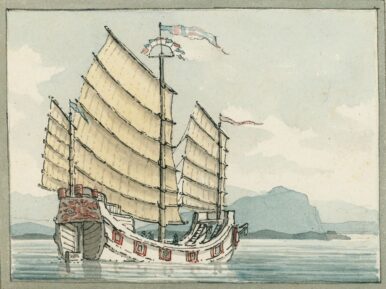
Students will explore the Museum and engage with objects and activities that illustrate what it was like to be a Mariner during ancient times.
By trading, building, comparing, and exploring, students will make vivid connections to classroom study of the ancient world.
Duration: 1 hour
Trade routes, aqueducts, geography, and five remarkable civilizations come together in this active exploration of the ancient world. Students will compare China, Egypt, Mali, Rome, and Greece while investigating human-environment interactions, trade, culture, and engineering through collaborative problem-solving.
Comparing Ancient Civilizations
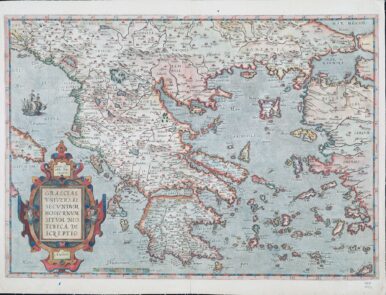
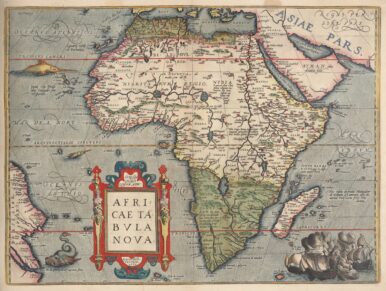
Students will explore China, Egypt, Mali, Rome, and Greece as they compare and contrast cultures and describe human-environment interactions.
Trading in the Ancient World
Students will participate in a simulation demonstrating trade in the ancient world and its importance to ancient civilizations.
Build a Roman Aqueduct
Students will put their engineering skills to the test as they work collaboratively to build a model of a Roman aqueduct. By trading, building, comparing, and exploring, students will make vivid connections to classroom study of the ancient world.
Learning Objectives
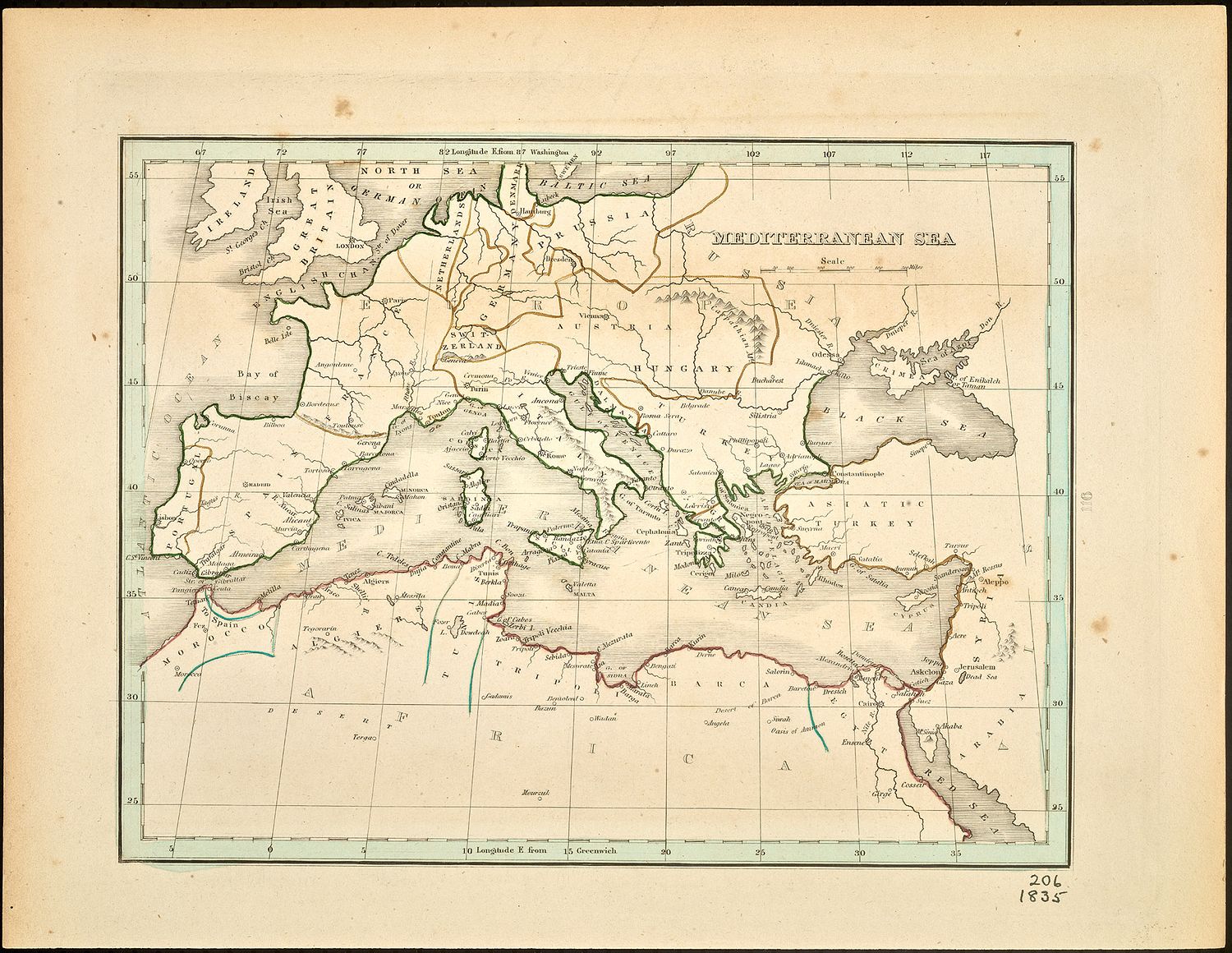
- Students will describe at least two ways geographic features impact the lives of individuals by analyzing maps and discussing the importance of water in ancient civilizations.
- Students will demonstrate effective communication skills by working with a team to successfully participate in a trading simulation.
- Students will explore the work of an engineer by constructing a working aqueduct based on Roman engineering. Students will identify at least six geographical features in the Mediterranean region such as civilizations, cities, seas, oceans and continents.
- History (VDOE 2023): 3a,b,h; 3.2a; 3.3a,c; 3.4a,b; 3.5a,b,d; 3.6a,b; 3.7a,b,d,e; 3.8a,b
Pricing:
Payment can be made before the program, or we can invoice following your program.
- Programs at the Museum are $4.50 per student.
All adults accompanying a field trip are free. - Programs at your location are $4.50 per student.
- Virtual education programs are $125 per program.
Reservations are required for all programs and are booked on a first-come, first-served basis. Programs fill quickly in the fall and spring, so make your reservations a minimum of two weeks in advance.
Need some questions answered?
Our team is happy to answer any questions you may have, or recommend the best program for your class.
Call or email our Education team:
[email protected]
(757) 591-7745