My Cart
  • Hidden Treasures of the Mariner's Museum: A Fine Collection of East Asian Prints

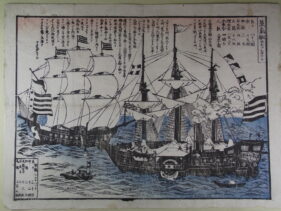
    Aside from the beautiful ship models of all shapes and sizes, the Museum has all sorts of maritime paraphernalia, from old compasses and teapots to uniforms and interactive exhibits. What I was most surprised and excited about, however, was the Museum’s Asian print collection.

  • Mariners’ Log

    This form is designed to offer a platform to share your maritime connection with us and, potentially, with your fellow maritime community.

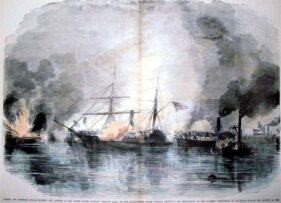
  • Capture Of Forts Henry And Donelson

    • Civil War
    • Military
    • Military Conflict

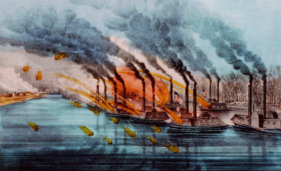
    This campaign began the Civil War career of ‘Unconditional Surrender’ Grant.

  • CSS ARKANSAS: THE YAZOO CITY IRONCLAD

    • Civil War
    • Military
    • Military Conflict

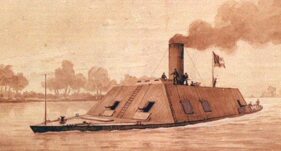
    By October 1861, there were five ironclads under construction in New Orleans, Cerro Gordo, Tennessee, and Memphis. It would be an extreme challenge to place these ironclads in the water as effective warships with limited industrial infrastructure. It was all about the questions of time, iron, workers, and engines!

  • Battle of Galveston

    • Civil War
    • Military Conflict
    • Shipbuilding

    Major General John Bankhead Magruder arrived in Texas in late October 1862 and immediately sought to regain the laurels he had earned on the Virginia Peninsula.

  • Celebrating 10 years of History Bites

    • Cultural Heritage
    • Recreation

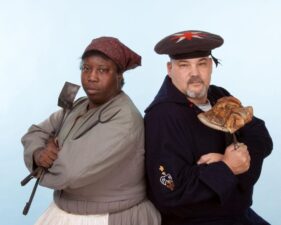
    What’s History Bites, you ask? It is a fabulous food event that has served as the finishing touch of the Museum’s annual Commemoration of the Battle of Hampton Roads for the past 10 years!

  • Gifts to the Heart, From the Sea

    • Art
    • Collections

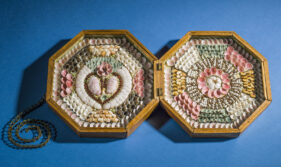
    Discover some objects made by – or purchased by – sailors as they were on long voyages away from their sweethearts!

  • HRPE during WWII: Innovators in Aviation

    • Military
    • Military Conflict
    • Photography
    • Technology
    • Women's History

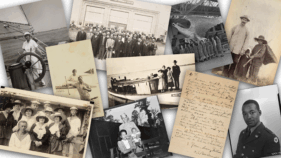
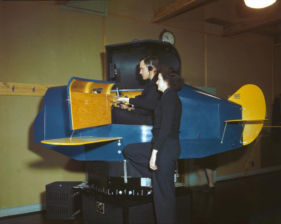
    WAVES fulfilled various positions and worked at Naval bases across the US, ranging from yeoman to chauffeur, baker to pharmacist, and artist to aircraft mechanic. Most WAVES worked in naval aviation units–maintaining aircraft, testing parachutes, and working as domestic air traffic controllers or weather specialists.

Scroll to Top