This website stores cookies on your computer. These cookies are used to collect information about how you interact with our website and allow us to remember you. We use this information in order to improve and customize your browsing experience and for analytics and metrics about our visitors both on this website and other media. To find out more about the cookies we use, see our Privacy Policy.
Matthew Calbraith Perry guided the US Navy’s transition from sail to steam and shot to shell. It was he who recognized how these new tools would ensure the Navy’s ability to project American trade and power throughout the world.
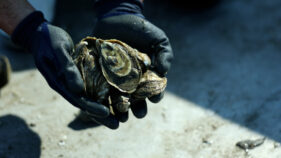
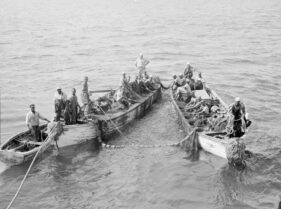
In this special, in-depth edition of Beyond the Frame, we explore the world of oysters - past and present. Two 1907 paintings by Clifford Warren Ashley highlight oyster dredging and replanting from the skipjack Mattie Flavell as it was done over 115 years ago. While exploring these works, the author, Kyra Duffley, worked with both oyster farmers and restoration specialists in our world today to show the full-circle story of oystering. Read the full blog to learn about the mariners who come together in the name of the oyster.
Major General George B. McClellan recognized the need for combined operations to overwhelm the Confederate war effort. With more than 3,000 miles of coastline to defend, the Southerners were often unable to protect their coastal territory effectively. The captures of Hatteras Inlet and Port Royal Sound were decisive actions that furthered General Winfield Scott’s Anaconda Plan
Able, courageous, and experienced, Franklin Buchanan was perhaps the most aggressive senior officer to join the Confederate Navy. His strategic flair, discipline, and heroic qualities made him respected and admired by all those around him. After being put in command of CSS Virginia, Buchanan led efforts that resulted in the Confederacy’s greatest naval victory before being appointed as the first Admiral in the Confederate Navy and selected to command the naval defenses in Mobile Bay, Alabama. As Admiral, he oversaw the construction of multiple ironclads and was on board CSS Tennesee during its battle against David Glasgow Farragut’s Union Fleet in 1864.
Should the US Grand Strategy continue its commitment to European security, or should it be focused elsewhere? Foreign policy and national security experts have debated that question since the fall of the Soviet Union in 1991. We dive into the history of Offshore Balancing to determine whether this national security strategy is a feasible modern-day solution.
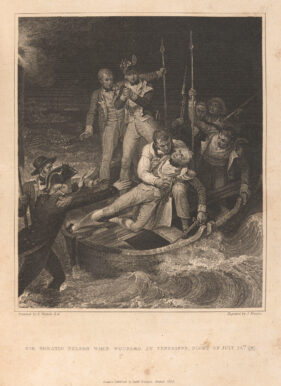
The Mariners’ Museum is home to a duo of watercolors documenting events occurring during the July 1797 attack on Santa Cruz de Tenerife. The artist, Captain William Henry Webley, participated in the action, making his paintings the only eyewitness views of the event known to exist. The attack was led by one of the most renowned naval leaders, Britain’s Vice Admiral Horatio Lord Nelson — and it was an utter failure. On the 226th anniversary of the attack, we piece together the artwork and letters from Webley and Lieutenant William Hoste to get a better idea of what happened during the catastrophic raid.
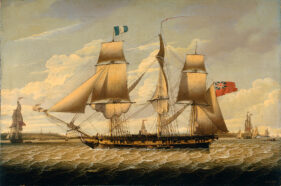
Learn how recent research has revealed a connection between the port of Liverpool’s Bidston Hill signal station and Norfolk, Virginia in the 18th century.
Our Speakers Bureau is composed of staff and experienced volunteers who bring vastness, importance, and energy of maritime topics and initiatives to various groups in the Hampton Roads area.
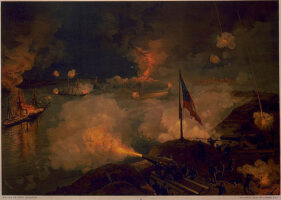
The American Civil War is often considered the first modern industrial war. Both North and South endeavored to mobilize their resources to wage total war. This experience revolutionized naval warfare, and in doing so, forever changed America’s political, social, and economic fabric.