My Cart

The Mariners' Blog

Page: 32

  • The Emancipation Proclamation: What did it actually say and mean for African Americans in the 1860s?

    • Black History
    • Collections

    The Emancipation Proclamation did not free all enslaved African Americans but it was a start in that direction. It would be another two years before the war ended and with it, the ratification of the 13th Amendment, which abolished the institution of slavery in the United States forever.

  • A Small Look Back: Our Top Photos of 2020

    • Art
    • Collections
    • Conservation
    • Photography

    The Mariners' Staff Photographers share their favorite photos they created for The Mariners' Museum and Park in 2020.

  • The Hazards of Bottom Peeping

    • Collections
    • Recreation

    A funny story that occurred on board the Haze, a schooner built by George Steers.

  • Princess Carolina Progress: New Strides in Caring for the Collection

    • Conservation

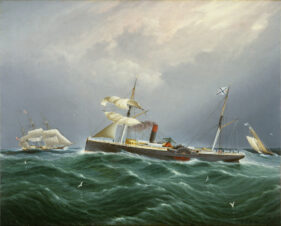
    Kress Conservation Fellow shares details on the timber work and leather work in the conservation of Princess Carolina, a transatlantic trading vessel.

  • New Year, New Project: USS Monitor’s rope

    • Conservation
    • USS Monitor

    The archaeological conservators worked together, separately, to finish work on all of the USS Monitors' rope fragments.

  • LAST DAYS OF USS MONITOR

    • Civil War
    • Military Conflict
    • USS Monitor

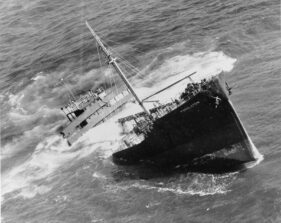
    After the ironclad’s showdown with CSS Virginia on March 9, 1862, USS Monitor was considered the ‘little ship that saved the nation.’

  • The Greek Maritime Holiday Tradition of Karavakia!

    • Cultural Heritage

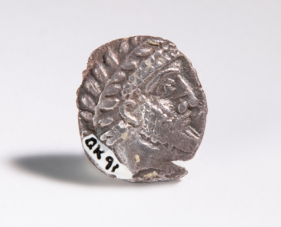
    The Greek tradition of Karavakia is the decorating of small boats during the Christmas season. It dates back to Greece’s ancient seafaring days.

  • The Spanish Flu in Hampton Roads  

    • Hampton Roads History
    • Red Cross

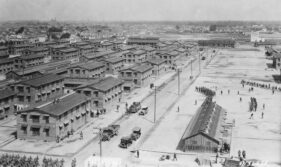
    By mid-September 1918, the first cases of the Spanish Flu were reported, impacting the soldiers, sailors, and workers coming into the Hampton Roads community to support the war effort. Bases and ships had to be built, requiring more workers than Hampton Roads had ever seen before.

Scroll to Top