My Cart

The Mariners' Blog

Page: 33

  • The Votes are In!

    • Community Engagement
    • Environmental Conservation

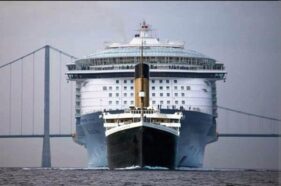
    The results are in on 3 ballot initiatives aimed to establish limits on the size and cleanliness of ships visiting the port of Key West, Florida.

  • Native American Heritage Month~ Explored Through the Adney Collection of Canoe Models

    • Collections
    • Cultural Heritage

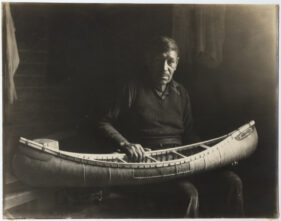
    The Edwin Tappan Adney collection at The Mariners’ Museum and Park include 120 canoe models. For Adney (1868-1950) building canoe models was not a hobby. He felt that it was his duty to document as many of the boats as he could. 

  • Oh, How We Mariners Love Lighthouses

    • Collections
    • Photography

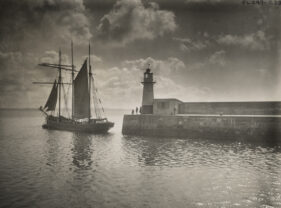
    Photographs of British lighthouses purchased for The Mariners’ Museum Collection in 1936 from Bertram M. Chambers, an admiral in the Royal Navy. Symbolically, lighthouses offer a message of hope and determination when facing adversity.

  • Hampton Roads during WWII: the WACs

    • Collections
    • Hampton Roads History
    • Military
    • Military Conflict
    • Photography
    • Women's History

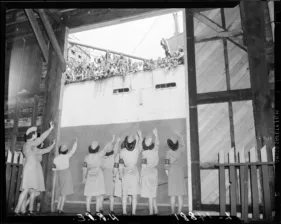
    The Women’s Army Corps (WAC) was formed in 1942. It was the first time, and the only group, that integrated women into the United States Military. Around 150,000 women volunteered to serve in the WAC during World War II.

  • It’s a Disaster! The Rollers of 1846

    • Collections

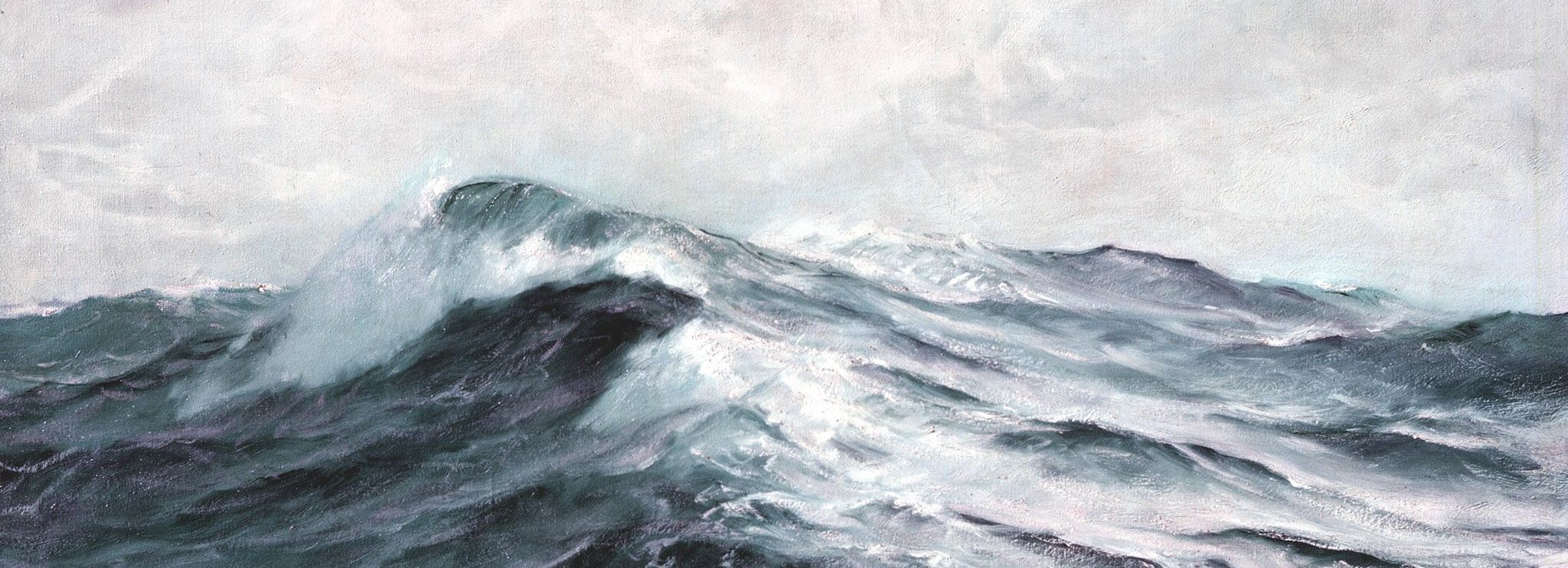
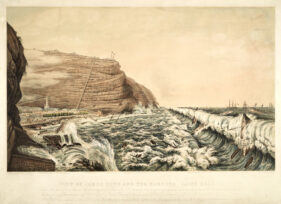
    The islands of Ascension and St. Helena in the South Atlantic are periodically plagued by roller events with rapidly forming waves and catastrophic outcomes.

  • Hampton Roads During WWII

    • Collections
    • Hampton Roads History
    • Military
    • Military Conflict
    • Photography

    The Hampton Roads Port of Embarkation (HRPE) was the third largest US Army Transportation Corps port of embarkation during WWII. It served as a hub for the movements of millions of troops between 1942-1946. 

  • Up, Up and Away: Civil War Ballooning in Hampton Roads

    • Civil War
    • Hampton Roads History
    • Military Conflict
    • Technology

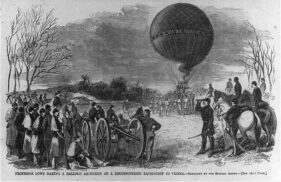
    The Civil War introduced many new technologies to achieve victory in a total war.

  • La Isabel Project: Part Three

    • Collections
    • Conservation

    Analysis is an important part of conservation because identifying specific materials in an artifact helps us better understand how an artifact degrades, its history, and much more. For La Isabel, we were interested in learning more about two specific materials: wood and fibers.

Scroll to Top